 Home
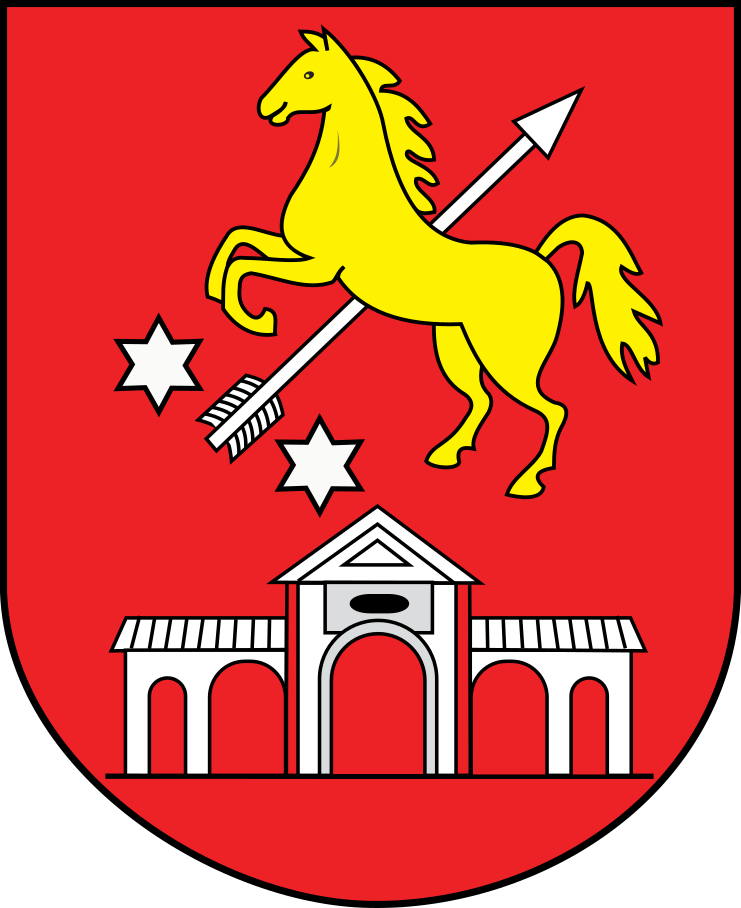 Discover Brody Commune
Origins and changing borders of Lower Lusatia
Not one “eternal” border, but a region whose political affiliations and internal divisions changed repeatedly.
ludzi
miejsc
pamięci
Thematic gallery
The thematic visuals are modern editorial works prepared for Fundacja Rokita and serve an illustrative purpose; they are not reproductions of specific archival photographs.
A region of changing sovereignties
Lower Lusatia developed as a border region between Bohemian, Saxon and Brandenburg-Prussian spheres. The key distinction is between the historical region and later administrative borders: the name survived while states, districts and offices changed.
In the seventeenth century the Lusatias were first transferred to Saxony as an imperial pledge; the Peace of Prague in 1635 confirmed Saxon rule. Brandenburg State Archives materials also stress the persistence of separate Lower Lusatian structures. Cottbus was already a Brandenburg-Prussian enclave in Saxon surroundings, showing that the region was never politically uniform.
Why does this matter for Forst and Guben?
Forst, Guben/Gubin, Pförten/Brody and Sorau/Żary belonged to the eastern Lower Lusatian space, but their administrative ties did not always mirror those of Cottbus or Lübben. The Fundacja Rokita website therefore distinguishes the historical region from units such as Kreis Sorau or Stadtkreis Forst.
Peace of Prague - Lower Lusatia under Saxon rule.
Most of the region passes to Prussia; administrative structures are reorganised.
Reforms, railways, urbanisation and industrialisation transform the region.
A new state frontier along the Neisse cuts across the historical eastern part.