No. 200 in Forst
Forst/Barść is named as a numbered repatriation unit.
 Home
 Discover Brody Municipality
Repatriation Commandant’s Office No. 200 in Forst/Baršć in 1945: GARF evidence, distinction from formal NKVD PFL camps, and possible links to DSC Forst-Scheuno.
Aleksandra Arkusz reconstructed the Soviet repatriation network from records held by the State Archive of the Russian Federation (GARF). Her list of 53 units whose locations could be identified for February-December 1945 includes Commandant's Office No. 200 - “Barszcz, Barść (present-day Forst in Germany)”. She cites GARF R-9526, inventory 6, file 933, folio 145.
This establishes that Forst (Lausitz) formed part of the Soviet repatriation network. It does not establish the commandant's exact site or prove that the unit was a formal NKVD PFL.
Forst/Barść is named as a numbered repatriation unit.
The available source gives the locality, not a street, camp or building.
The source classifies No. 200 as a repatriation commandant's office, not a filtration camp.
The Plenipotentiary Board for Repatriation was established on 23 October 1944. Its network searched for, registered, accommodated and transported displaced Soviet citizens and foreign nationals. By 15 May 1945, 77 camps and commandant's offices were operating; the total was still 77 on 15 July, including 20 attached to the Soviet occupation group in Germany.
Alongside this network stood a separate NKVD system. The official Russian archival guide identifies GARF R-9408 as the records of the NKVD Verification-Filtration Camps Department. Former special camps were renamed PFLs on 20 February 1945, with the task of holding, checking and filtering defined categories of Soviet citizens.
An earlier version placed too much weight on the fact that Arkusz reproduced No. 200 under the heading “Poland”. The official Brandenburg municipal register, however, confirms Baršć (Łužyca) as the Lower Sorbian name of Forst (Lausitz). “Barść/Barszcz” can therefore be a Polish/transliterated form of Forst's own Sorbian name rather than a locator for the right bank.
The same list also contains mixed geographic assignments: Wriezen appears under “Poland”, while Berlinchen/Barlinek appears under “Germany”. The heading alone cannot be used as proof of a site east of the Neisse.
A major transport node with a Soviet presence, but no address for No. 200 has been found.
The right bank became Polish and lay close to DSC. A serious research option, not a proven location.
Existing camp, road and rail infrastructure would have been useful. No document links No. 200 to a specific DSC facility.
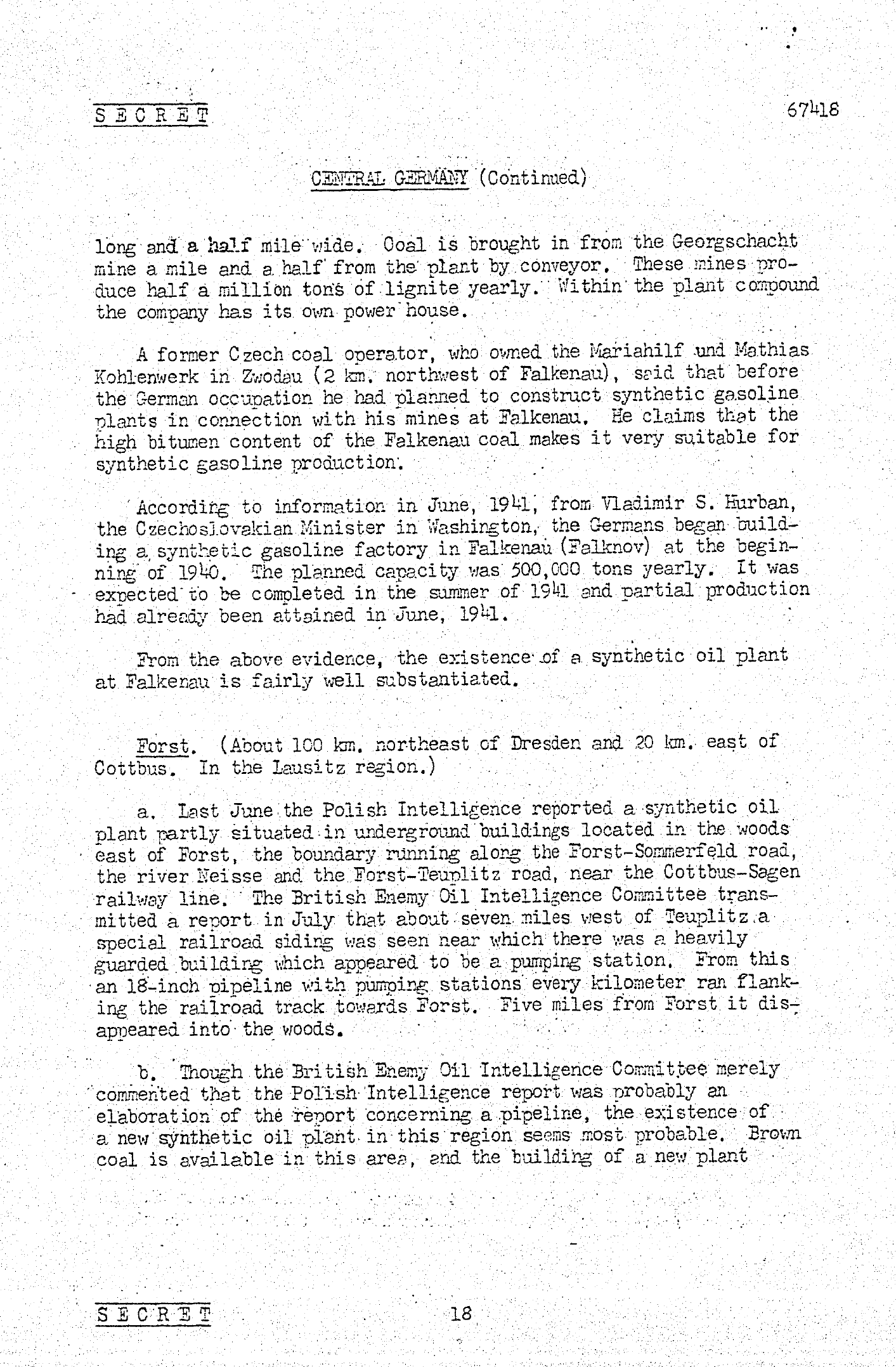
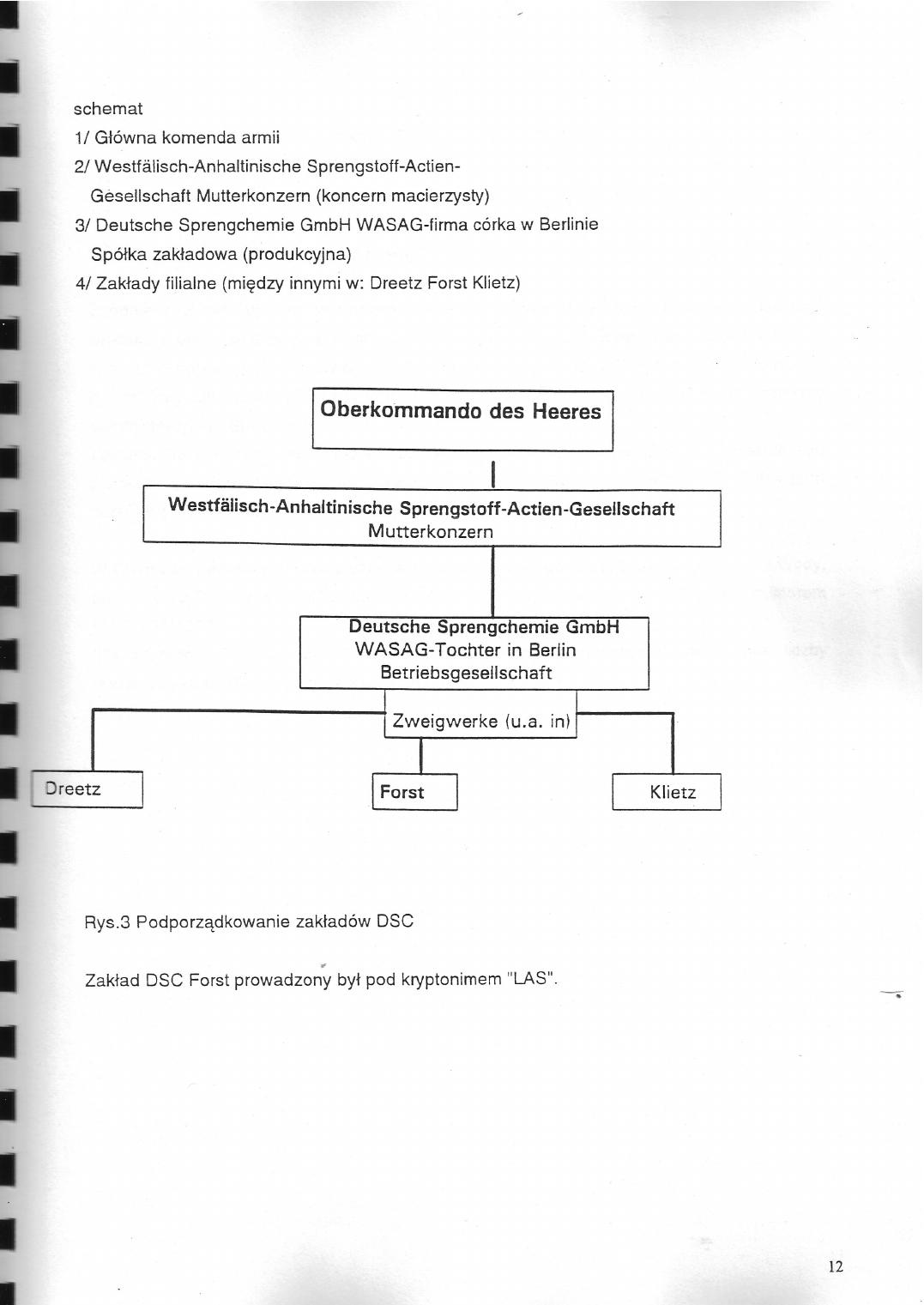
The 1995 G.E.O.S. report documents extensive social, transport and camp infrastructure in the DSC complex. It identifies, among other facilities, main camp building No. 384, laundry No. 388 and a separate sewage treatment system for a prisoner camp; it also notes that many POWs, forced labourers and prisoners were housed in the north-western sector.
The Bundesarchiv holds the file “Forst: Frauenlager Scheuno” (BArch R 121/5579). The State Archive in Zielona Góra preserves factory passes from Zasieki, including two issued to persons described as Russian or Ukrainian. A local historical source also states that one Werk II social building was used as the office of a Russian commandant until its demolition in 1959. This is evidence of post-war Soviet use of part of the site, but it does not identify that office as No. 200 or as a repatriation/PFL unit.
| Claim | Status | Assessment |
|---|---|---|
| Repatriation Commandant's Office No. 200 operated in Forst/Barść. | confirmed | Arkusz + GARF R-9526. |
| DSC had wartime camp and transport infrastructure. | confirmed | G.E.O.S.; Bundesarchiv; Polish State Archives. |
| No. 200 was located in Zasieki or on the DSC site. | hypothesis | Logistically plausible; no address, order or plan yet. |
| The Frauenlager/DRK camp was reused by No. 200. | hypothesis | The wartime camp is documented; its post-war repatriation use is not. |
| No. 200 was a formal NKVD PFL. | not confirmed | The identified record places it in the repatriation network, while formal PFLs had a separate archive structure. |
Repatriation commandant's offices collected and registered people, created personal cards and organised onward transport. The system handled Soviet citizens liberated from captivity and forced labour as well as foreign nationals liberated by the Red Army. It is therefore plausible that former forced labourers from Forst-Scheuno and the surrounding area passed through No. 200. No surviving name list for No. 200 has yet been identified, so this cannot be assigned to individual DSC workers.
The original folio and surrounding pages, to confirm headings, dates and chain of command.
Search No. 200 and variants Forst/Форст, Baršć/Barść/Barszcz, Scheuno, Berge and Zasieki; especially movement logs, personnel lists and transport reports.
Check whether Forst or No. 200 appears in the formal NKVD verification-filtration camp records.
Occupation quarters, requisition of DSC buildings, rail transports, Frauenlager plans and post-war administration.
Fundacja Rokita method: confirmed facts, archival leads and hypotheses are kept separate.
Polish PDF