Explore the hidden industrial complex from its planning and infrastructure to its production system and the 1945 dismantling.
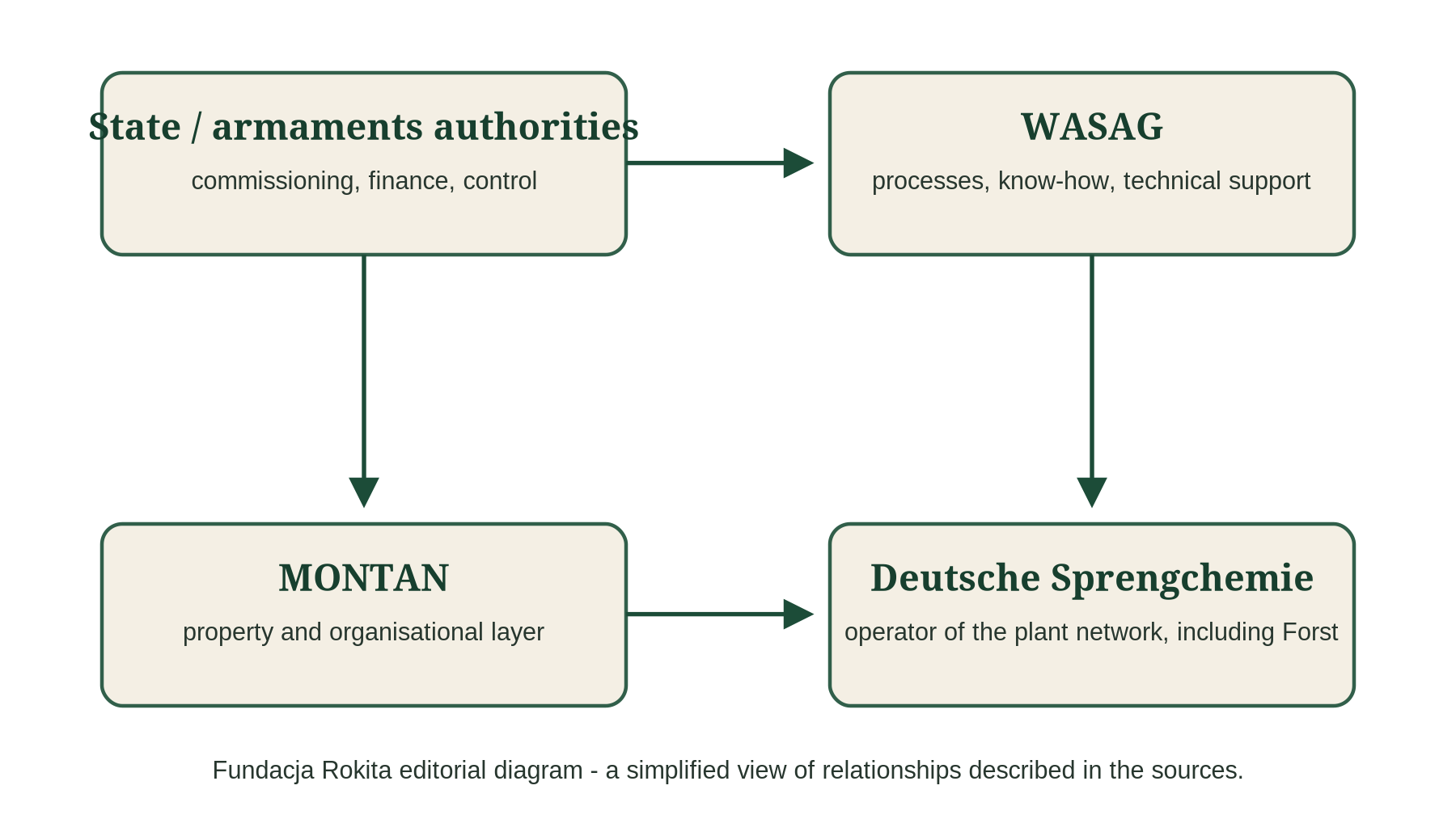
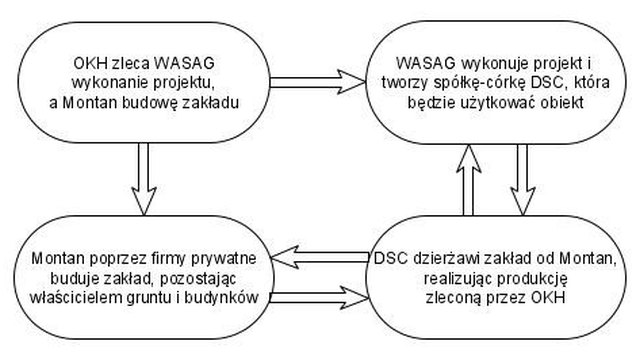
The Forst plant belonged to a wider armaments structure in which MONTAN, WASAG and Deutsche Sprengchemie performed different property, technical and operating roles.
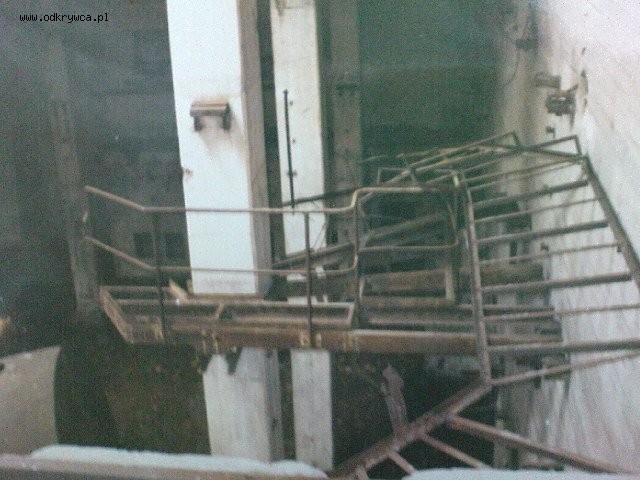
Following site and water surveys from 1938, a dispersed two-part industrial complex emerged with its own railways, roads, utilities, workshops and specialised process zones.
Following site and water surveys from 1938, a dispersed two-part industrial complex emerged with its own railways, roads, utilities, workshops and specialised process zones.
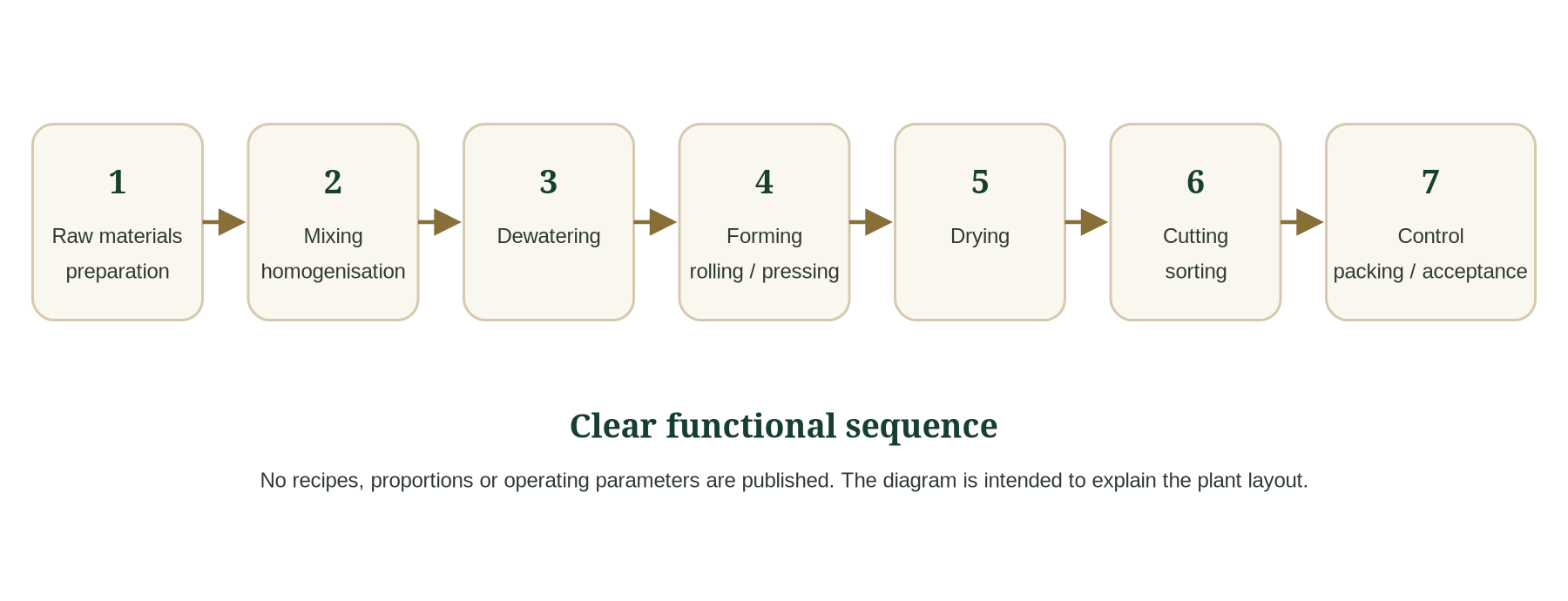
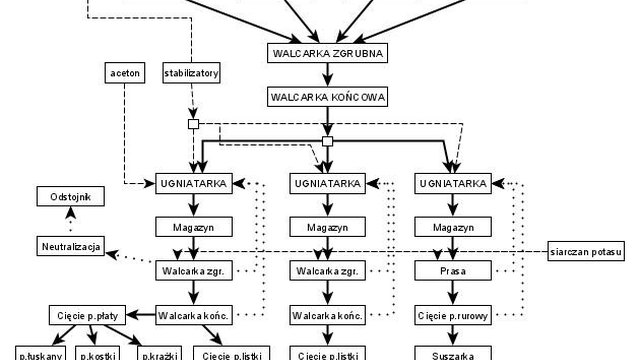
The historical functional flow of POL production is explained in plain language, without publishing recipes or operating parameters.
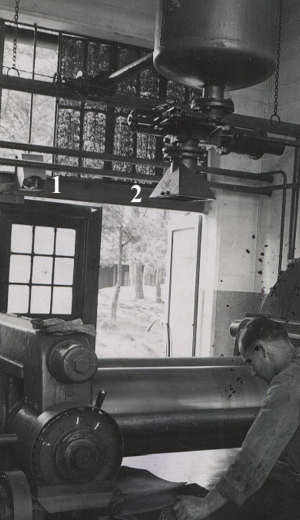
Soviet GKO Resolution No. 8609 ss listed, among other items, 72 Goldner-Grimm presses, 120 rolls, 16 Krause turret machines and equipment from four nitration departments for removal.
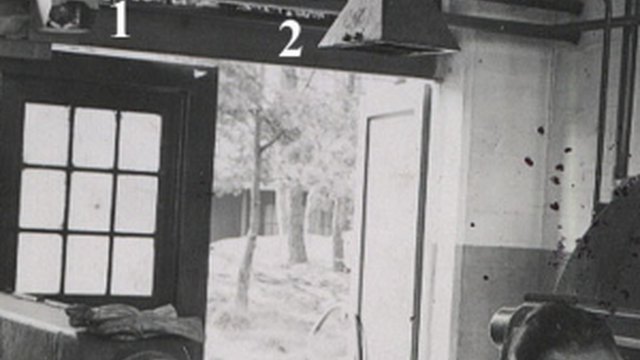
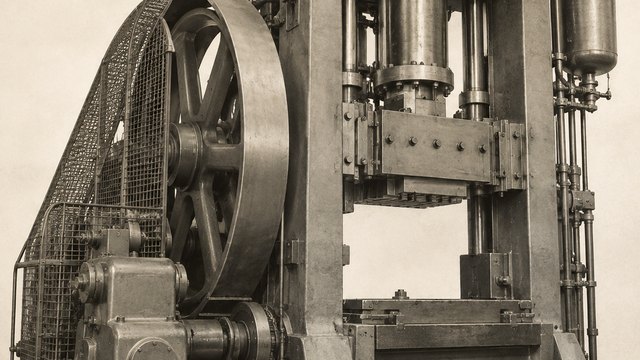
Where no verified photograph of the exact Forst machine is available, the site uses clearly labelled reconstructions rather than false archival attributions.
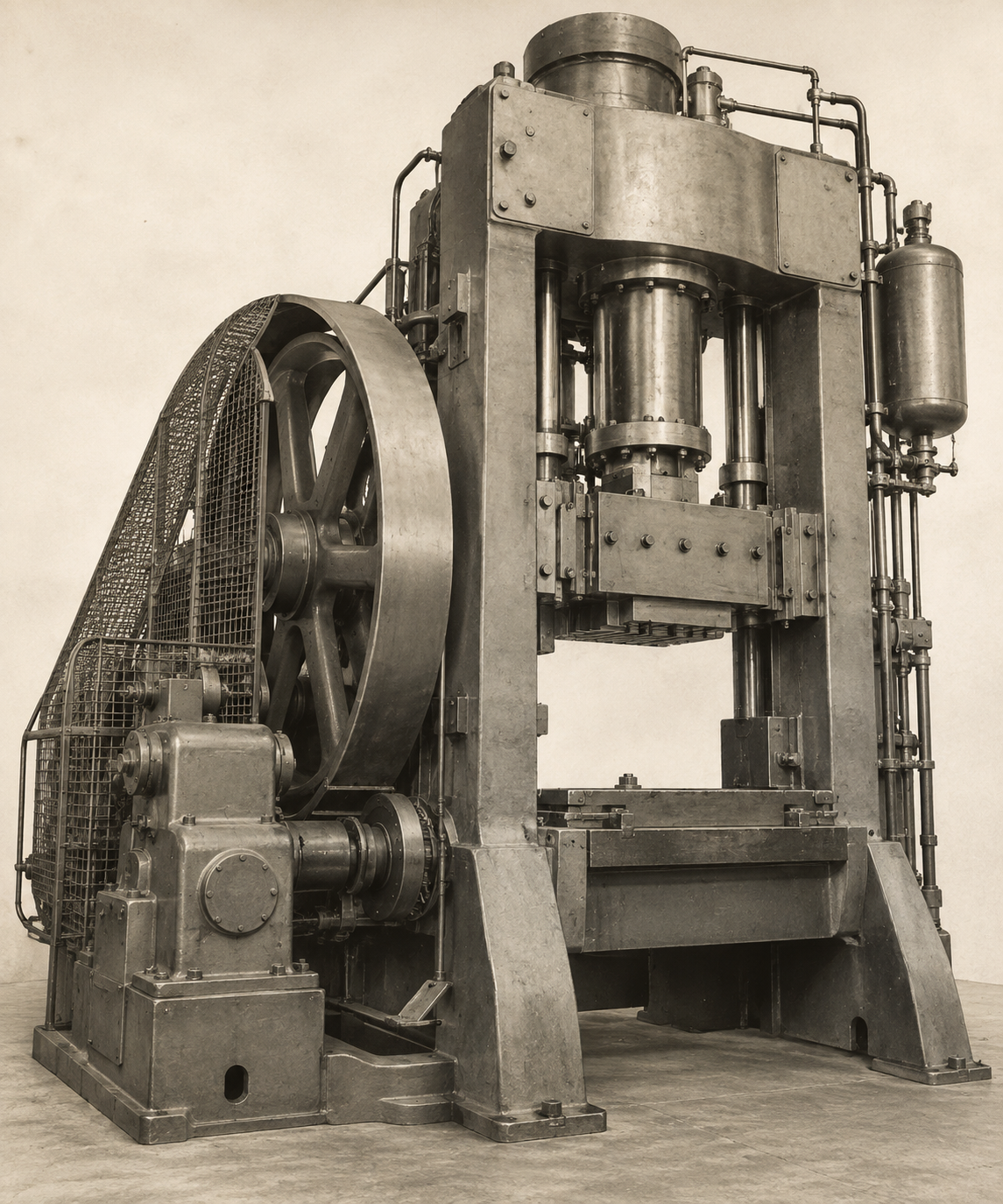
72 presses listed in GKO No. 8609 ss.
Illustrative reconstruction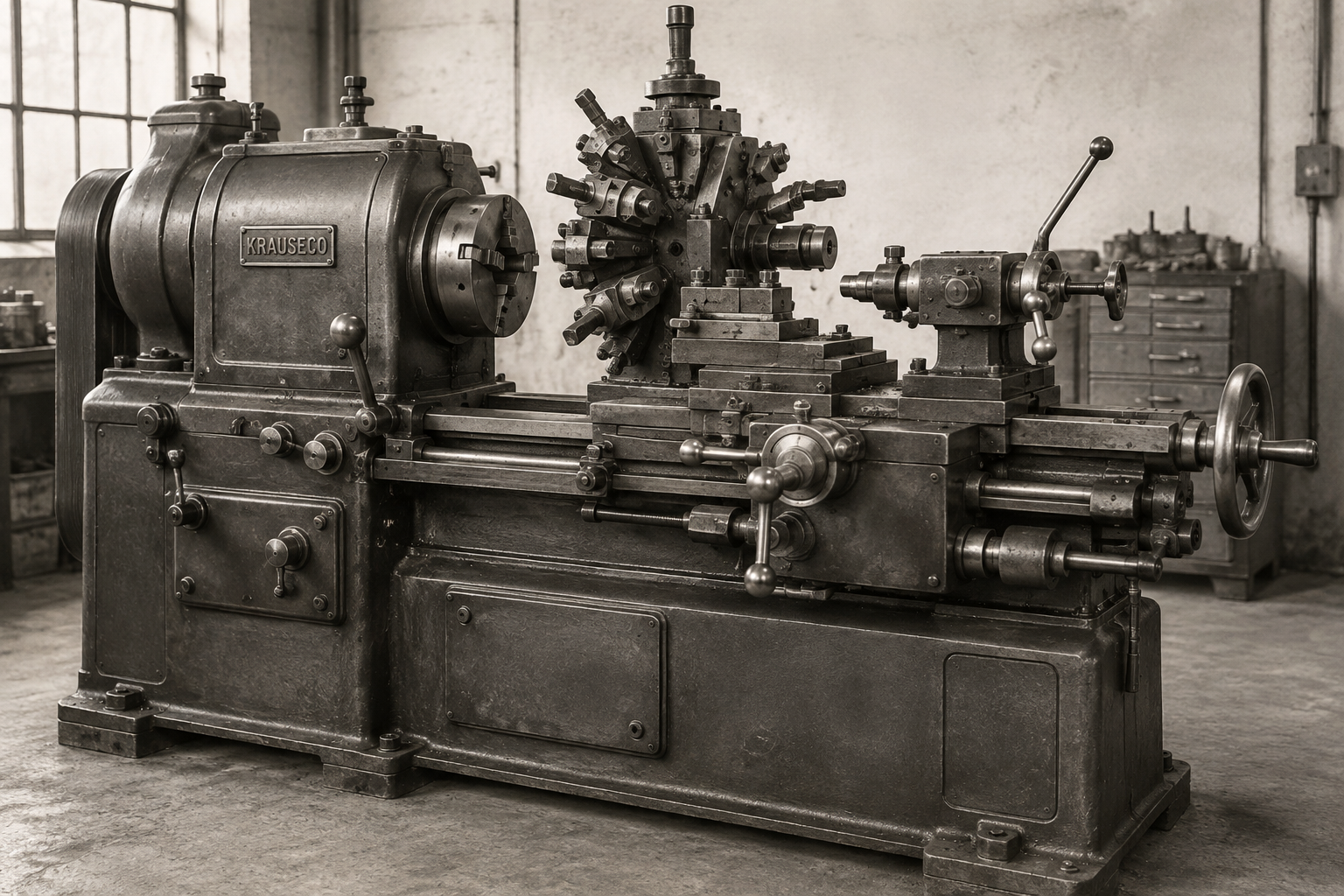
16 turret machines listed in GKO No. 8609 ss.
Illustrative reconstructionSoviet GKO Resolution No. 8609 ss listed, among other items, 72 Goldner-Grimm presses, 120 rolls, 16 Krause turret machines and equipment from four nitration departments for removal.
Read the document analysis →The source confirms an organised dismantling plan, but does not by itself prove that every listed machine reached its intended destination.
From the 1938 surveys to the commissioning of two plant sections.
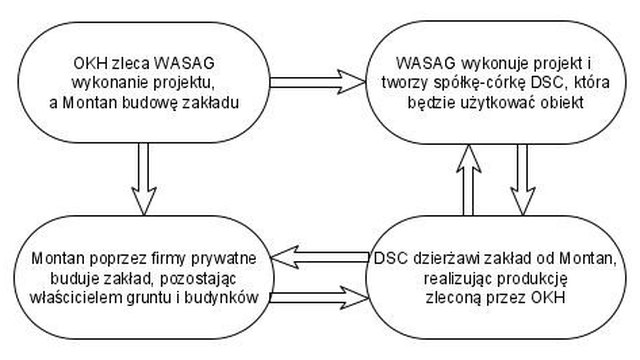
Property, technology and operation within the armaments system.
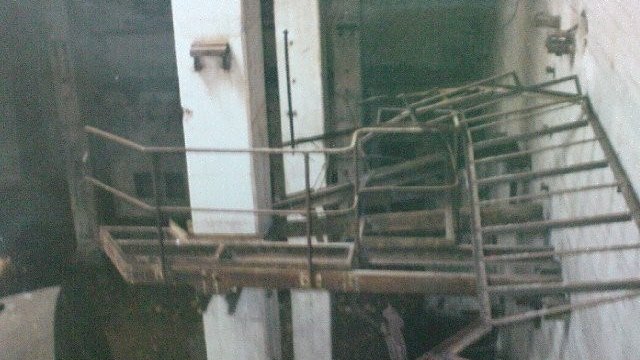
Area, functional zones, workshops and technical networks.
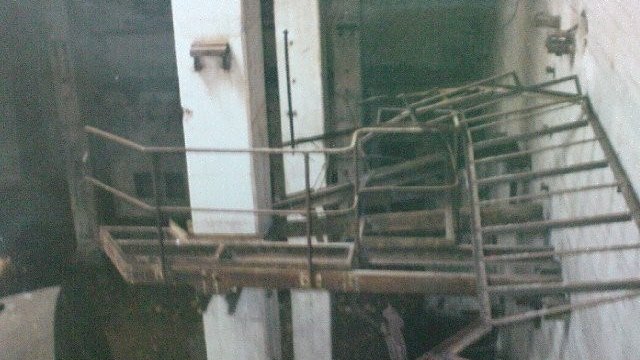
28 wells and the utilities that kept the complex running.
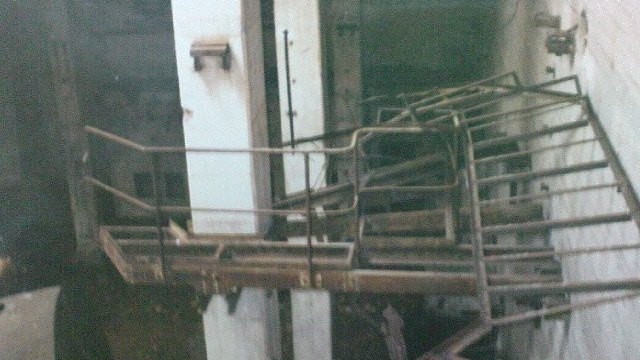
Internal railways, concrete roads and plant logistics.
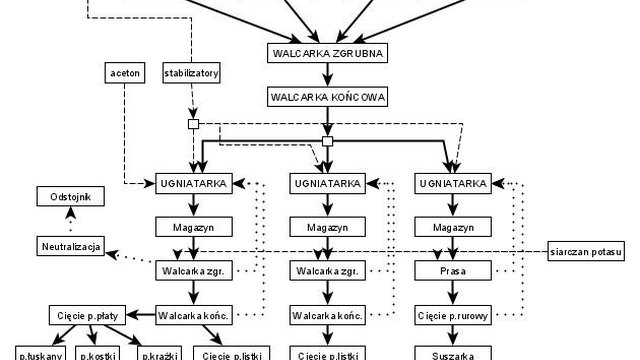
A functional overview without recipes or operating parameters.
Separated NGL areas and acid-handling infrastructure.
Rolling, pressing, cutting and finishing equipment.
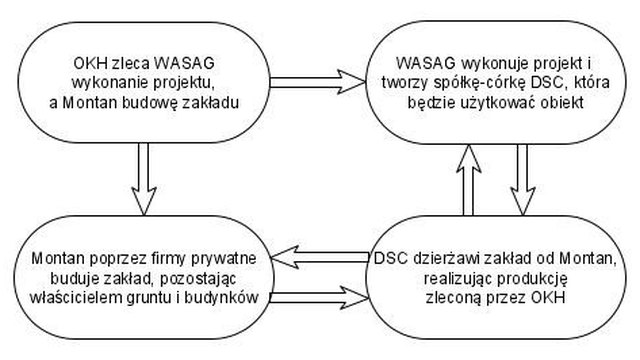
Forst within the network of DSC, WASAG and MONTAN.
Soviet takeover and the documented removal of equipment.
What was tested in 1995 and what cannot be inferred today.
German, American, Soviet and Polish evidence.
Orientation: Forst, Scheuno, railway, plant and Oilberg zones.
Historic photographs, maps and documents concerning DSC Forst-Scheuno up to 1992.
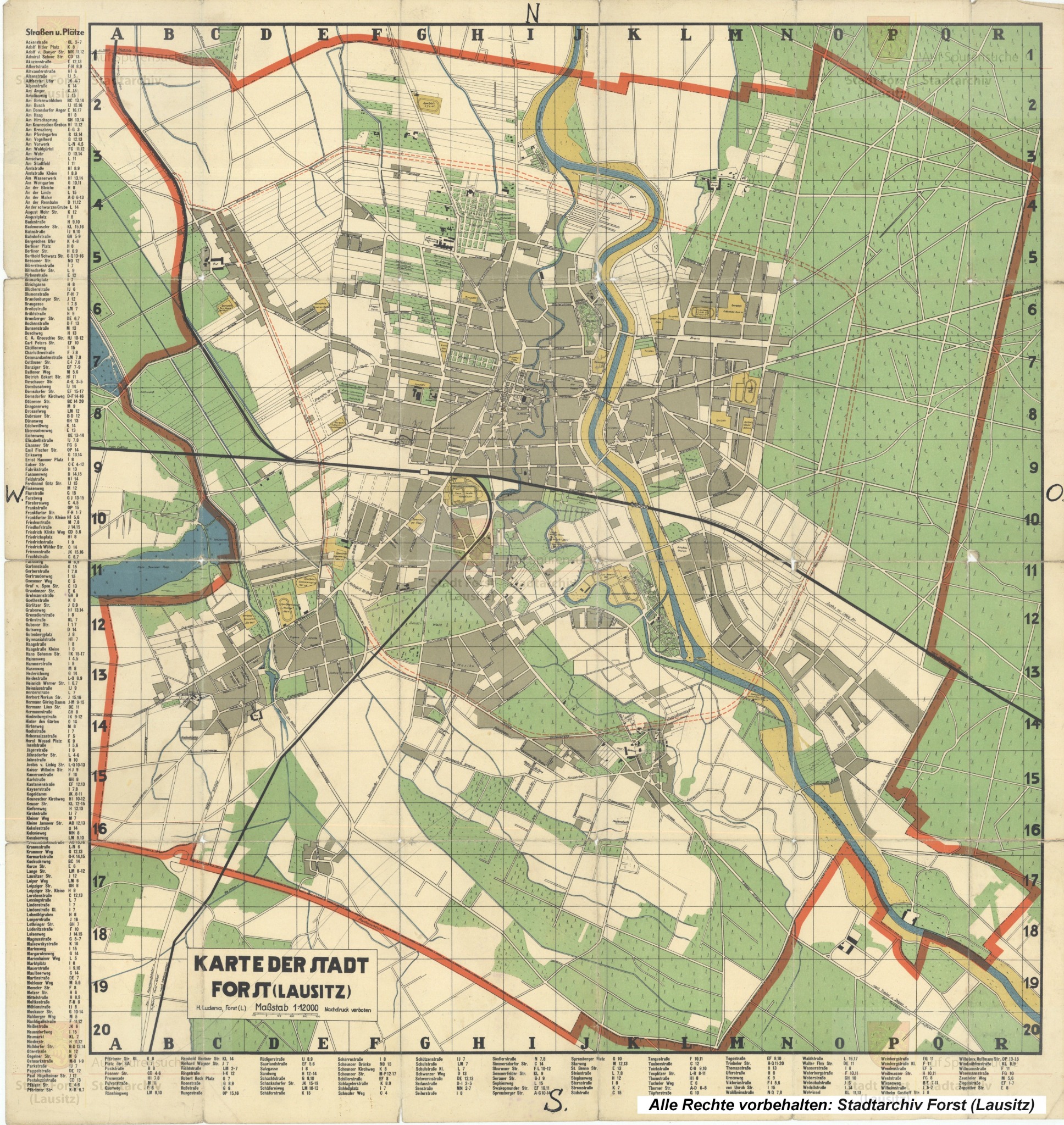
The full history of the city and the shared landscape on both banks of the Neisse.
Repatriation, filtration and the distinction between two separate post-war structures.
Fighting on the Neisse, combat journals of the 106th and 121st divisions and operational records.
The site combines archival records, field documentation, Allied and Soviet records and visual materials.
Old GEOS scans are replaced by original diagrams and clearly labelled reconstructions.